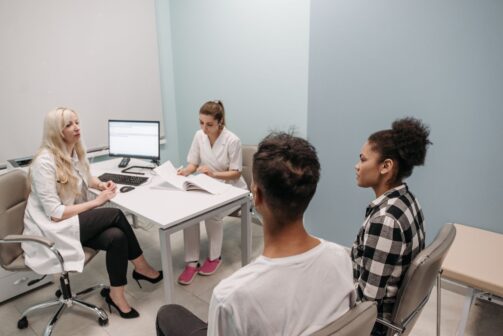
A first visit to a fertility clinic in Singapore is usually about understanding your situation, not starting treatment the same day. The appointment typically covers medical history, which tests may help, and whether gynaecology care should sit beside the fertility work.
Clinic websites can make that pathway sound simple. In practice, the first conversation is often slower and more practical than a treatment brochure suggests.
What a first clinic visit is usually for
Most first appointments start with a detailed medical history for both partners, where that applies, and a chance to describe how long you have been trying to conceive. A clinician may also ask about menstrual cycles, earlier pregnancies, surgery, medicines and any results you already have from a general practitioner.
Some clinics invite you to begin with a nurse conversation before a specialist visit. That can be a useful way to learn how the clinic works, what to bring, and which documents to prepare. It is not a diagnosis, and it does not commit you to a treatment plan.
A Singapore fertility clinic homepage typically sets out that first-step pathway, along with the kinds of services on offer, from screening through to later treatment discussions. Read it as a map of the clinic, not as a promise of a particular result.
Bring earlier blood tests, ultrasound reports or a semen analysis if you have them, and write down questions in advance. New terms come quickly in a first consult, and a short list helps you leave with answers rather than only a folder of forms.

How screening sits inside clinic care
Screening is the information-gathering stage of clinic care. It is not a verdict on whether you will have a child, and it is not the same thing as starting IVF.
The World Health Organization fact sheet on infertility estimates that about 17.5 percent of adults, or roughly one in six people worldwide, experience infertility. That figure is a population estimate. It does not tell you what a single set of results will mean for you.
The clinic’s fertility screening page describes a usual couple work-up: a consultation, a pelvic ultrasound, and female hormone blood tests such as FSH, LH, estradiol and AMH, with semen analysis for the male partner. Further tests, such as a check of the fallopian tubes, may be discussed only if they are relevant.
Ask how the results will be explained, and whether both partners are being assessed. A normal result in one area does not close the whole picture, and an unexpected result is a reason for a follow-up conversation, not a conclusion drawn from a single number.
When gynaecology care sits beside fertility care
Not every fertility question begins, or ends, in a treatment cycle. Menstrual problems, fibroids, endometriosis, pelvic pain or a later pregnancy may sit with an obstetrician and gynaecologist, even when you first arrived to talk about conceiving.
Monash IVF’s obstetrics and gynaecology page places routine women’s health care alongside fertility work, including preventive checks and pregnancy support. That overlap is worth asking about early, so you know who will follow you if the next step is not IVF.
Singapore’s Ministry of Health page on seeking healthcare is a neutral place to understand how care is organised in the public and private systems. Use it as background, then confirm with the clinic how appointments, referrals and follow-up actually work on their side.
A short film from the UK’s Human Fertilisation and Embryology Authority on choosing a fertility clinic. It is general regulator guidance, not a ranking of clinics in Singapore.
Questions that keep the next step honest
Before you agree to further tests or treatment, ask what the next step is for, what it costs in writing, and what it cannot guarantee. Headline success rates describe groups of patients. They are not a personal forecast, and they should not be used to rank named clinics or doctors.
The Health Sciences Authority’s consumer safety pages are a reminder that health products and claims in Singapore sit under regulation. A clinic brochure is still marketing until the same figures appear in a clear, itemised plan you can review.
If you are not ready to decide, it is reasonable to take the results away, discuss them, and return with questions. Clinic care works best when the pace matches your own, not the pace of a packaged offer.
Frequently asked questions
Is a first fertility clinic visit the same as starting IVF?
No. A first visit is usually a consultation to review history and discuss which tests may help. Treatment is a later decision, made after those results and your own goals have been discussed.
Should both partners be assessed?
Where you are trying to conceive as a couple, clinics commonly assess both partners. A semen analysis sits beside female hormone tests and imaging, because a result on one side does not explain the whole picture.
When should gynaecology care be part of the same pathway?
Ask about it if you also have menstrual problems, pelvic pain, fibroids, endometriosis, or you may need pregnancy care later. Fertility screening and routine gynaecology are related, but they are not always the same appointment.
Can a clinic success rate tell me whether treatment will work for me?
No. Published rates describe groups of patients, often with specific ages and diagnoses. They are information to discuss, not a personal guarantee, and they are not a reason to rank named clinics or doctors.